

Best Flooring for Allergy Sufferers at Home

A floor can look immaculate yet still hold onto the things that trigger sneezing, itchy eyes and breathing discomfort. Dust, pet dander, pollen and mould spores settle where we live, and the material beneath your feet affects how easily they can be removed. The best flooring for allergy sufferers is usually a smooth, low-porosity surface that can be cleaned thoroughly without demanding hours of upkeep.
That does not automatically mean every room needs a hard floor, or that carpet is always off limits. The right decision depends on who uses the room, whether pets are part of the household, how often the area is cleaned and the comfort you want underfoot. For most Kent homes, luxury vinyl tile is an especially strong starting point because it combines practical hygiene with a warm, design-led finish.
What makes flooring better for allergies?
Allergens do not simply disappear because a floor is hard rather than soft. They enter a home on shoes, clothing, open windows and pets. The advantage of a sealed, smooth surface is that dust and dander remain on top, where vacuuming and damp mopping can lift them away.
Deep-pile textiles and floors with wide joints can make cleaning less straightforward. Fibres may trap particles, while gaps can collect dust at the edges. Moisture also matters. A surface that is easy to dry is less hospitable to mould, particularly in entranceways, kitchens and rooms where wet shoes or spills are common.
A professionally prepared and fitted floor supports this too. An uneven subfloor, poorly finished thresholds or open perimeter gaps can leave awkward places for dirt to gather. Good installation is about appearance and longevity, but it also makes day-to-day cleaning more effective.
Best flooring for allergy sufferers: luxury vinyl tile
Luxury vinyl tile, often called LVT, is one of the most practical choices for households managing allergies. It has a sealed, non-porous wear layer, so common household allergens sit on the surface rather than becoming embedded in fibres. A regular vacuum using a suitable hard-floor setting, followed by a damp microfibre mop, is generally enough to keep it looking fresh.
LVT is also comfortable compared with ceramic tile and usually quieter underfoot than laminate or real wood. That makes it well suited to open-plan living spaces, hallways, kitchens and bedrooms, where a hard surface is wanted without a cold or clinical feel. Modern designs convincingly recreate timber, stone and patterned finishes, allowing the practical choice to still feel considered and personal.
Amtico and Invictus LVT are particularly worth considering when you want a premium finish with dependable performance. Their collections offer a broad range of realistic textures, plank sizes and laying patterns, from calm pale oak effects to more characterful herringbone designs. The best product and installation method will depend on the room, the condition of the subfloor and the level of daily traffic.
LVT is not completely maintenance-free. Grit can dull any floor over time, so a good entrance mat and prompt cleaning remain sensible. Avoid soaking the surface and use cleaning products recommended for the specific finish rather than harsh chemicals that may leave residue or affect the protective layer.
Why LVT works well in family homes
For families with children or pets, LVT offers a useful balance. It does not provide a reservoir for pet hair in the way a thick carpet can, and accidental spills are easier to deal with quickly. In busy homes, the ability to vacuum frequently without special treatment is often more valuable than choosing a floor that looks good but is difficult to live with.
Engineered wood, solid wood and laminate
Wood flooring can be a good option for allergy-conscious homes because it is normally straightforward to vacuum and clean. Engineered wood brings the natural warmth of a timber veneer with a more stable construction than solid wood, making it suitable for many living areas. Solid wood has timeless appeal, although it needs careful consideration around changing humidity and potential movement.
The main point is the finish and the fitting. A well-sealed wood floor with close, neatly finished joints is easier to maintain than a floor with open gaps or a heavily textured surface. Natural timber can show scratches and requires periodic care, so it may suit a quieter lounge or bedroom better than a muddy family entrance.
Laminate provides a budget-conscious hard-floor alternative and comes in a wide range of wood and stone looks. It can be easy to clean, but water should not be allowed to sit at joints unless the product is specifically designed for enhanced water resistance. Laminate is also harder underfoot and can sound more hollow than LVT, though a suitable underlay can improve comfort and acoustics.
Neither wood nor laminate should be treated with excessive water. A lightly damp cloth or mop, used according to the manufacturer's care guidance, is safer than a wet mop. Keeping joints dry helps protect the floor and reduces the chance of moisture-related problems beneath it.
Are tiles a good choice for allergies?
Ceramic and porcelain tiles are among the easiest surfaces to clean and are highly resistant to moisture. They are excellent choices for bathrooms, utility rooms and kitchens, particularly where muddy footwear, splashes or high humidity are routine. Their hard, sealed surface gives allergens few places to settle.
The trade-off is comfort. Tile can feel cold underfoot and can be unforgiving if you spend a long time standing at a kitchen worktop. Grout also needs regular attention, as it is more porous than the tile itself. Choosing quality grout, cleaning it consistently and ensuring sound preparation beneath the tiles will make a noticeable difference.
Can carpet work for allergy sufferers?
Carpet deserves a more balanced answer than a simple yes or no. It can hold dust, pollen and pet dander within its pile, which makes it a less obvious choice for someone with significant allergies or asthma. A hard floor is typically easier to clean thoroughly and more practical where symptoms are easily triggered.
However, carpet can still be appropriate in bedrooms, stairs or lounges where warmth, softness and sound absorption matter. It may also reduce the movement of loose dust through the room until it is vacuumed, rather than allowing particles to circulate freely. The important part is choosing carefully and maintaining it well.
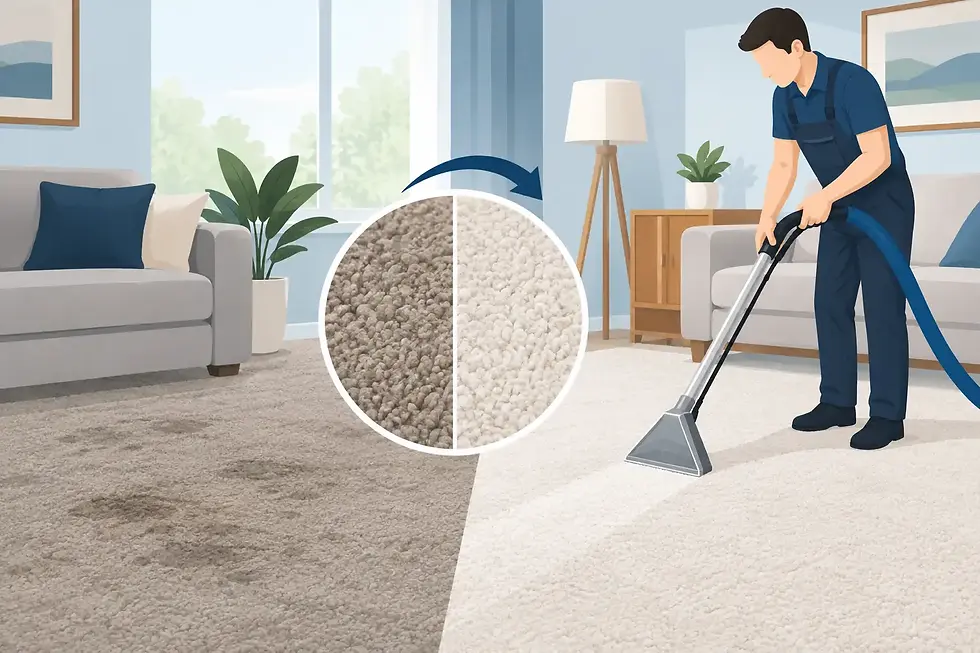
If carpet is preferred, opt for a low-pile, tightly woven style rather than a deep, shaggy texture. Vacuum at least weekly with a machine that has effective filtration, and more often in homes with pets. Professional cleaning at suitable intervals can help remove embedded dirt, but it should be allowed to dry fully afterwards. Damp carpet can create a different problem if ventilation is poor.
For a person with diagnosed allergies, it is sensible to follow advice from their clinician alongside any flooring decision. Flooring can reduce places for allergens to collect, but it is not a medical treatment or a substitute for managing the wider home environment.
Details that make a bigger difference than expected
The floor covering is only part of the picture. A well-fitted entrance mat catches dirt and pollen before it travels through the house. Washable mats are usually more practical than thick rugs, and rugs should be small enough to lift and clean regularly. Where possible, avoid layering several rugs over carpet.
Vacuuming technique matters too. Use the correct setting for the surface, move furniture often enough to reach the edges, and empty or clean the vacuum as recommended by its manufacturer. For hard floors, a microfibre mop captures fine dust more effectively than simply pushing it around with a dry brush.
Think about transitions between rooms. A consistent hard floor through a hallway, kitchen and living space can reduce joins and make a daily cleaning routine simpler. Carpet can then be reserved for rooms where softness is genuinely valued. This approach often gives a home both comfort and a more manageable allergy-conscious routine.
Choosing a floor that suits your home
There is no single material that is right for every household. LVT is often the best all-round choice for allergy sufferers because it is warm-looking, durable and easy to clean. Tile is highly practical in wet spaces, while engineered wood can bring natural character to lower-moisture rooms. Carpet remains an option where comfort is the priority, provided its limitations are understood.
Before choosing a colour or plank pattern, consider the room's use, household pets, moisture levels, cleaning routine and the condition of the existing subfloor. Seeing full-size samples in natural light is useful too, as pale finishes can show debris less readily while darker tones may reveal dust sooner.
At Modeco Interiors, a showroom conversation and home measure can help turn those considerations into a flooring choice that feels right for your interior and practical for everyday life. The most helpful floor is one you genuinely enjoy living with - and can keep clean without it becoming another weekly battle.


Comments