

How to protect wooden floors from scratches

A wooden floor earns its place in a home by looking better, not merely older. The subtle character that develops over time can be appealing, but deep grooves, dull traffic lanes and black marks beneath chair legs are not part of that appeal. Knowing how to protect wooden floors from scratches starts with recognising where everyday wear actually comes from - and taking a few sensible precautions before damage builds up.
Whether you have solid wood or engineered wood flooring, the best approach balances prevention with realistic day-to-day living. Children, pets, dining chairs and a busy hallway do not mean you must give up on a beautiful timber floor. They simply mean that the flooring, finish and care routine should suit the room.
Why wooden floors scratch
Wood is a natural material, and even hard species can mark when grit is dragged across the surface or a heavy item is moved carelessly. In most homes, the main culprit is not furniture itself but the tiny particles brought in on shoes, pushed about by wheels or caught beneath feet. Sand and grit act much like fine abrasive paper over repeated footfall.
The protective coating also matters. A lacquered floor has a surface layer designed to resist everyday marks, while an oiled floor has a more natural, low-sheen appearance that can be locally maintained. Neither is completely scratch-proof. Lacquer may show deeper damage more clearly if the coating is breached; oil may mark more readily at first but is often easier to refresh in a single area.
Engineered wood deserves the same consideration as solid timber. Its stable construction makes it a practical choice for many Kent homes, particularly where underfloor heating is planned, but its wear layer is still genuine wood. Once that surface is badly scratched, repair options depend on the depth of the damage and thickness of the veneer.
Protect wooden floors from scratches at the entrance
A well-planned entrance is the most effective place to reduce wear throughout the house. Put a substantial doormat outside the front or back door to remove loose debris, then use an absorbent mat inside to catch remaining moisture and fine grit. This two-mat approach is especially worthwhile in hallways, kitchens with garden access and homes with dogs.
Choose mats with a non-staining, breathable backing that is suitable for timber floors. Rubber-backed mats can trap moisture or react with some finishes if left in place for long periods. Lift and clean them regularly rather than allowing grit to collect underneath.
A shoes-off household offers added protection, but it need not be an all-or-nothing rule. Avoid stilettos, football boots and shoes with damaged heels on wood, and keep a simple shoe rack near the door. The difference is most noticeable in narrow entrances and through-routes, where the same section of flooring is crossed many times a day.
Put the right protection under furniture
Furniture pads are small, inexpensive and genuinely useful, provided they are chosen and maintained properly. Fit felt pads beneath dining chairs, stools, side tables, sofas and other pieces that may shift during normal use. Dense felt tends to work better than thin adhesive pads, which compress quickly or pick up grit.
Check them every few months. A pad that has collected crumbs, grit or pet hair can become the source of the scratch it was meant to prevent. Replace pads that have worn thin, become detached or feel rough to the touch.
For larger furniture, use furniture gliders or ask for help when rearranging a room. Never drag a bookcase, bed frame or heavy cabinet across a timber floor, even for a short distance. Place a clean blanket, protective board or purpose-made moving sliders beneath the item instead.
Office chairs need particular attention. Standard hard castors can leave circular scuffs and concentrated wear beneath a desk. Soft castors designed for hard flooring are a better option, while a suitable chair mat can protect a defined workspace. In a dining room, a well-sized rug can reduce movement marks around the table, but make sure it does not have a rubber or latex backing that could affect the finish.
Clean little and often, rather than aggressively
The most dependable cleaning routine is also the simplest: remove dry debris before it is walked into the floor. Vacuum with a hard-floor setting or soft brush attachment, or use a soft microfibre mop. Avoid rotating beater bars, harsh brushes and anything that could trap grit against the surface.
For routine cleaning, use a wood-floor cleaner recommended for the type of finish installed and follow the dilution guidance carefully. The mop should be damp, not wet. Standing water can work into joints and edges, causing timber to swell, cup or discolour over time. Wipe spills promptly, particularly around pet bowls, plant pots and external doors.
Household products can cause more trouble than they solve. Steam mops introduce heat and moisture that may compromise joints or coatings. Abrasive powders, bleach, ammonia and multi-surface sprays can leave a residue, strip protective layers or change the sheen. Polishes marketed as quick fixes are equally risky, as they can create a slippery film and make future recoating more difficult.
Choose rugs for real-life wear zones
Rugs are not just decorative. They are useful protection in places where a floor receives repeated friction: beside the bed, in front of a sofa, underneath a dining table or along a busy hallway. They also make open-plan spaces feel warmer and help control noise.
The trade-off is that floors can age differently beneath and around rugs as daylight naturally changes the colour of timber. Move rugs occasionally, especially in bright south-facing rooms, so the change is more even. Use only rug underlays approved for use on wooden floors, and avoid leaving damp textiles or wet shoes on top of the rug.
Match the finish to the room
Prevention starts before installation. A hardwearing lacquered finish is often a good choice for busy family rooms, hallways and kitchens because it gives a practical protective barrier and is straightforward to clean. Matt and ultra-matt finishes can be forgiving visually, as they tend to disguise light surface marks better than high-gloss finishes.
Oiled wood floors suit homeowners who prefer a natural, tactile appearance and the option to maintain small areas without refinishing the whole room. They do require periodic re-oiling, particularly in high-traffic zones. This is not a disadvantage when the maintenance expectation is understood from the outset, but it is worth considering before choosing the floor.
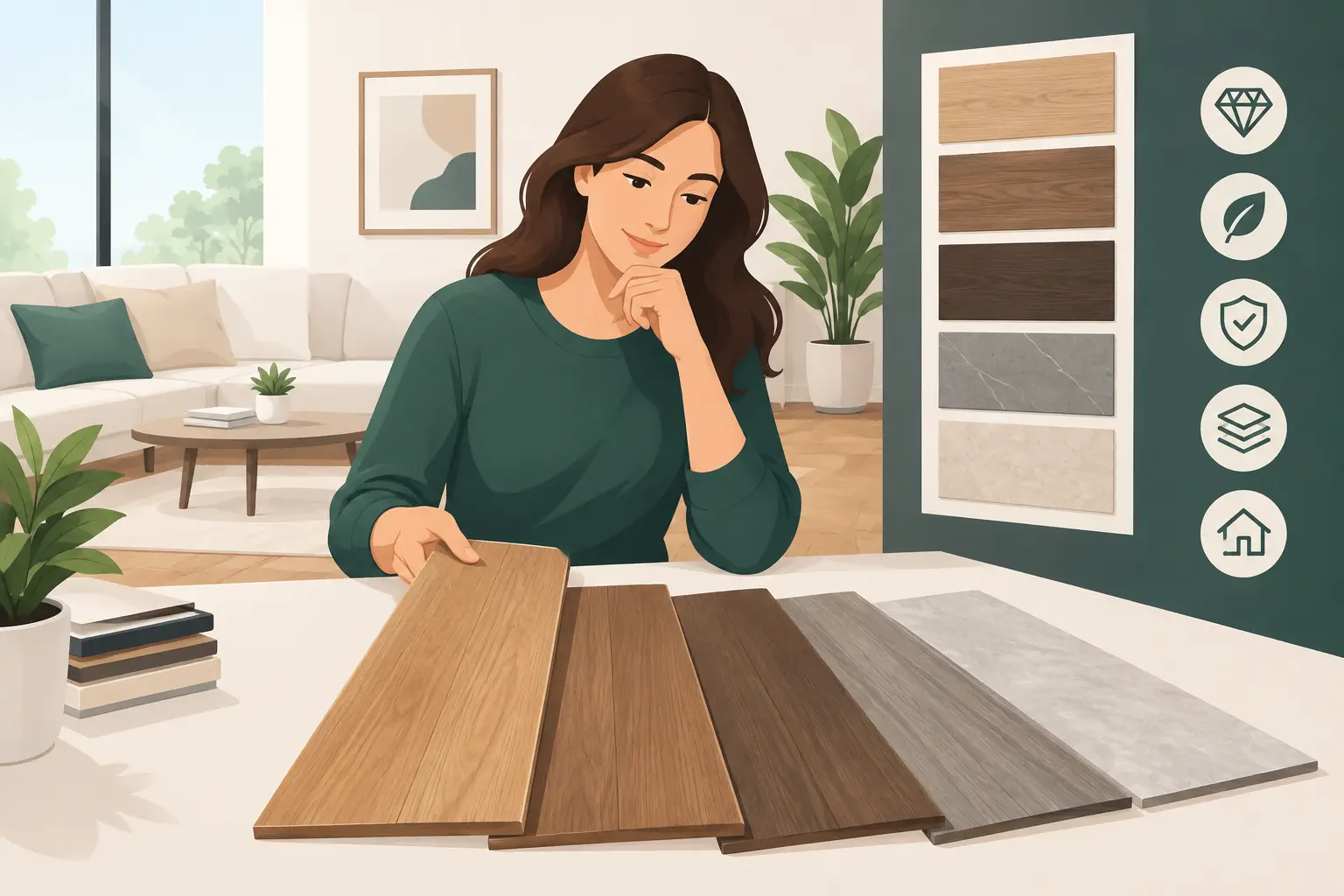
Species and colour have a role too. Oak remains popular for its balance of character, strength and versatility, while lighter or naturally textured boards often conceal everyday dust and small marks better than very dark, smooth finishes. A flooring specialist can help you compare samples under your own lighting and discuss how a finish will perform in the way your household actually lives.
Deal with scratches before they become a bigger repair
Light surface scratches may be less noticeable after a thorough clean, particularly if they are simply scuffs in the finish. For oiled floors, a compatible maintenance oil or repair product can often restore protection to a small affected area. Always test products in an inconspicuous spot and use only products suited to the existing finish.
Deeper scratches that expose bare timber should be assessed more carefully. Moisture and dirt can enter the exposed area, and an unsuitable repair kit may leave an obvious colour mismatch. Depending on the floor, a professional may be able to blend a local repair, replace a board, re-oil the affected section or sand and refinish the surface. Do not assume every engineered floor can be sanded repeatedly - this depends on its wear-layer thickness and condition.
If a scratch is fresh, resist the urge to rub it hard or apply an unknown polish. Take a clear photograph, note what caused it and seek advice before attempting a permanent repair.
Build protection into your routine
A floor does not need constant fussing to stay attractive. A doormat system, regular dry cleaning, correctly fitted furniture pads and sensible care around water will prevent most avoidable scratches. Review these basics after seasonal changes too, as wetter weather often means more grit and moisture entering the home.
For a new wood floor, the right choice of board, finish and installation detail makes this routine far easier. Modeco Interiors can help homeowners compare practical engineered wood options alongside the look they want, so the finished room is designed for daily life as well as the first impression. A well-chosen timber floor should invite you to live on it confidently, not worry over every footprint.


Comments