

Is Carpet Suitable for Dining Rooms?
- Modeco Interiors

- 4 hours ago
- 6 min read
A dining room looks calm and elegant right up until someone nudges a glass of red, a child drops gravy, or a chair is dragged back for the tenth time that evening. That is why homeowners so often ask, is carpet suitable for dining rooms? The honest answer is yes, sometimes - but only if the room is used in the right way, by the right household, and with the right expectations.
For some homes, carpet in a dining room creates warmth, softness and a more formal feel. In others, it becomes a source of constant maintenance and frustration. The best choice depends less on trends and more on how you actually live.
Is carpet suitable for dining rooms for everyday use?
Carpet can work in a dining room, but it is rarely the most practical flooring option for busy, everyday dining spaces. If your dining room is mostly used for occasional entertaining, adult meals or as a more traditional separate room, carpet may still be a perfectly reasonable choice. It softens the space, improves comfort underfoot and helps create a quieter, more refined atmosphere.
If, however, your dining area is part of an open-plan kitchen, used daily by children, or likely to see frequent spills, crumbs and heavy chair movement, carpet starts to look less suitable. Dining rooms are one of the few spaces where comfort and appearance often compete directly with cleanability. Carpet performs well in the first two areas, but not always in the third.
That does not mean carpet is a mistake. It simply means the room has to earn it.
Why some homeowners still choose carpet
There are good reasons carpet remains appealing in dining rooms, particularly in period homes and more formal interiors. It brings warmth in both the visual and physical sense. A carpeted floor can make a larger dining room feel more intimate, especially if the room is used for entertaining rather than day-to-day family life.
It also helps with acoustics. Hard flooring can make dining rooms feel echoey, particularly when you have high ceilings, minimal soft furnishings or a lot of glass. Carpet absorbs sound far better than most hard surfaces, which can make conversations feel easier and the room itself feel calmer.
There is also the comfort factor. Carpet is softer underfoot, warmer in winter and generally more forgiving if you spend time standing at the table, hosting or moving chairs around. In homes where dining rooms double as reading rooms, home offices or occasional second sitting rooms, that added comfort can genuinely matter.
The drawbacks you need to think about
The issue is not whether carpet looks good in a dining room. It often does. The issue is whether you are happy with what comes next.
Spills are the obvious concern. Food and drink stains are more likely in a dining room than in almost any other living space. Even a good-quality stain-resistant carpet is still more vulnerable than a hard floor when it comes to oil, sauce, wine or coffee. Quick action helps, but repeated accidents can leave their mark over time.
Then there is wear from dining chairs. Chair legs create repeated pressure in the same spots, which can flatten the pile and leave the carpet looking tired faster than expected. If chairs are pulled in and out regularly, especially by children or across a heavier table setting, that wear becomes more noticeable.
Crumbs and dust are another practical issue. Carpet naturally traps more debris than a hard floor. In a bedroom, that may not feel like a problem. Under a dining table, it usually does. You can vacuum regularly, of course, but it is still more work than sweeping or mopping a smooth surface.
This is where many homeowners start leaning towards alternatives such as luxury vinyl tile, engineered wood or laminate. They offer a similar design impact with far less day-to-day worry.
When carpet can be the right choice
Carpet is most suitable in dining rooms that are separate from the kitchen and used less intensively. A formal dining room used for Sunday lunch, Christmas dinner and occasional entertaining is very different from a family dining area used for breakfast, homework and arts and crafts.
It can also work well in homes where a softer, more classic interior is the priority. If your dining room features upholstered chairs, curtains, rich colour palettes and a more traditional look, carpet may feel more in keeping than a sleek hard floor.
Households without young children or pets often find carpet easier to live with in this setting too. Fewer accidental spills and less rough treatment naturally reduce the risks.
In short, carpet tends to suit lower-traffic dining rooms better than hard-working family spaces.
If you do choose carpet, the specification matters
Not all carpet is equally suitable for a dining room. The fibre, pile and colour can make a significant difference to how well it performs.
A dense, low-pile carpet is generally the better option because it is easier to maintain and less likely to flatten badly under furniture. Very deep or luxurious pile may feel lovely underfoot, but it can show chair marks more readily and hold onto crumbs more stubbornly.
Colour choice matters as well. Very light shades may look beautiful, but they leave little room for everyday accidents. Very dark shades can show lint, dust and pale food debris more than people expect. Mid-tones, flecked finishes and practical neutrals often strike the best balance.
Material is equally important. Some premium synthetic carpets offer excellent stain resistance and durability, making them more practical for dining rooms than certain natural fibres. Wool remains a popular premium choice for its appearance and resilience, but it still needs sensible care in a room where spills are a realistic possibility.
Good underlay also helps. It improves comfort and can support the carpet's longevity, though it will not remove the practical challenges of dining room use.
Is a hard floor a better long-term option?
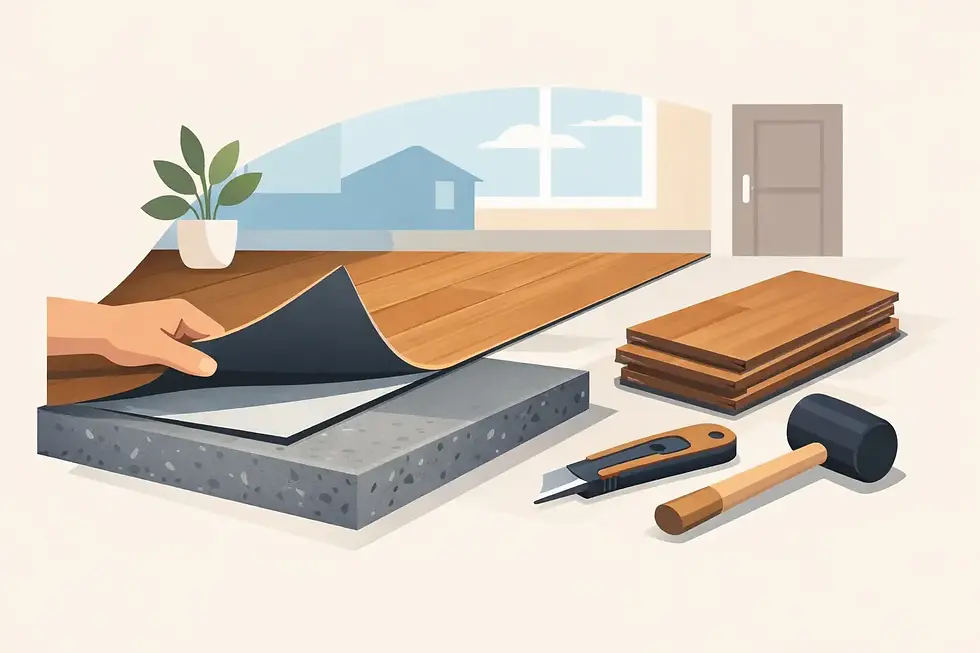
In many cases, yes. If your main priority is practicality, a hard floor is often the better fit for a dining room. Luxury vinyl tile is especially popular because it offers the appearance of wood or stone with a surface that is easier to clean and better suited to busy households.
This is one reason many homeowners visiting a flooring showroom initially ask about carpet, then leave seriously considering LVT instead. It gives you design flexibility, warmth in appearance and straightforward maintenance. For family homes, open-plan layouts and homes where the dining area sees heavy use, that combination is hard to ignore.
Engineered wood can also work beautifully in dining rooms, offering natural character and a premium finish. Laminate and certain vinyl options may suit more budget-conscious projects, depending on the level of durability and finish required.
The right answer is not always about which floor is nicest in theory. It is about which floor will still feel like the right decision after six months of real life.
A balanced way to decide
If you are weighing up carpet versus hard flooring, think about your dining room in three ways. First, how often is it used? Second, who uses it? Third, how much maintenance are you realistically happy to take on?
If the room is occasional, adult-focused and separate from the kitchen, carpet may be a lovely choice. If it is a daily-use space with children, pets or open-plan cooking nearby, hard flooring usually makes more sense.
It is also worth considering the room next door. Flooring works best when it feels connected to the wider home. In some properties, carpet in the dining room creates a gentle transition from a formal lounge. In others, it can feel impractical compared with the flooring used throughout the rest of the ground floor.
That is why personalised advice matters. At Modeco Interiors, one of the most useful parts of a showroom visit is being able to compare finishes, textures and practical performance side by side rather than guessing from a small sample at home.
So, is carpet suitable for dining rooms?
Yes, carpet is suitable for dining rooms in the right setting, but it is not the default best option for every home. It offers comfort, warmth and a more traditional feel, yet it also brings more maintenance and less forgiveness when accidents happen.
For a formal or low-traffic dining room, carpet can still be a strong choice. For a busy family dining space, a practical hard floor will often prove better value over time, not just financially but in everyday ease.
The smartest flooring decisions usually come from being honest about how a room is used. A beautiful floor should suit your life as well as your interior - and when those two are in balance, the whole room works better.


Comments