

Popular Wood Floor Finishes for Every Home

A pale oak floor can look beautifully calm in a showroom, yet feel completely different once it is laid beside your kitchen units, natural light and everyday family life. That is why choosing between popular wood floor finishes is about more than finding the right shade. The finish determines how the timber reflects light, responds to scratches, feels underfoot and ages over time.
For homes across Kent, the best option usually comes down to the room, the level of traffic and how much natural character you want to see in the wood. A busy hallway may need a different surface from a peaceful bedroom, while an open-plan kitchen and dining space calls for a finish that can cope with spills without looking overly artificial.
What does a wood floor finish actually do?
A floor finish is the protective treatment applied to the surface of real wood flooring. It helps limit the effects of moisture, marks and day-to-day wear while shaping the overall appearance of the boards. Some finishes sit largely on top of the timber; others penetrate the grain and become part of the surface.
It is useful to separate finish from texture. A floor may be lacquered or oiled, then brushed, distressed, smoked or stained for a particular visual effect. These details work together, so a sample is always more helpful than choosing from a product name alone.
With engineered wood, the chosen finish is usually factory-applied. This provides a consistent, durable surface and allows you to select the appearance before installation. Solid wood can also be finished after fitting, but this is a more involved process and requires suitable site conditions.
Lacquered wood floors: practical and polished
Lacquer is one of the most common and practical choices for engineered wood flooring. It forms a protective layer across the top of the board, helping the floor resist everyday splashes, staining and surface abrasion. For homes with children, pets or a steady flow of visitors, that protection is a real advantage.
A lacquered floor is generally straightforward to care for. Regular vacuuming with a soft floor head and cleaning with a manufacturer-approved wood floor product will usually keep it looking smart. Because dirt and moisture are less likely to penetrate the grain, it is often a sensible choice for living rooms, hallways and dining areas.
The trade-off is repairability. A deep scratch that breaks through the lacquer may be more noticeable than it would be on an oiled surface. Repairs can also be more localised in appearance, as the protective layer needs to blend with the surrounding boards. That does not make lacquer a poor choice - it simply makes prevention worthwhile, particularly around entranceways and beneath dining chairs.
Modern matt lacquer has changed the look of this finish considerably. It offers protection without the high-shine, slightly formal appearance associated with older varnished floors. A matt or ultra-matt lacquered oak can look remarkably natural while remaining easy to live with.
Best suited to
Lacquered finishes work particularly well in busy family homes, rental properties and commercial spaces where easy maintenance and reliable surface protection are priorities. They are also a strong option when you prefer a clean, even appearance with minimal ongoing care.
Oiled and hardwax-oiled finishes: natural depth and character
An oiled floor has a different quality altogether. Rather than creating a thick film above the timber, oil penetrates into the wood and enhances the grain. The result tends to feel warmer, more tactile and more natural underfoot, especially on wide-plank oak.
Hardwax oil combines natural oils with waxes to provide greater surface protection than traditional oil alone. It remains a popular choice for homeowners who want the depth and authenticity of an oiled floor but need a finish suited to normal household use.
One of the main benefits is that small areas can often be refreshed or repaired without refinishing the entire room. Light scuffs and worn patches can be treated more sympathetically, provided the correct maintenance products are used. This makes hardwax oil appealing for characterful homes, renovated period properties and spaces where the floor is expected to gain a little personality over time.
The commitment is maintenance. An oiled floor should be cleaned with products designed for oiled timber and refreshed periodically according to use. It is not difficult, but it does reward a more considered approach than a lacquered surface. Spills should also be dealt with promptly, particularly in kitchens.
Best suited to
Choose an oiled or hardwax-oiled finish if you value a low-sheen, natural look and are happy to carry out occasional care. It is especially attractive in lounges, bedrooms and open-plan rooms where the warmth of real timber is part of the design scheme.
Brushed wood finishes: texture that works hard
Brushed wood is among the most popular wood floor finishes for households seeking a relaxed, authentic look. During production, the softer parts of the wood grain are brushed away, leaving the natural grain pattern more pronounced. The surface has gentle texture rather than a perfectly smooth feel.
This texture does more than add visual interest. It can help disguise small scratches, dust and the minor marks that come with daily life. Brushed oak works particularly well with matt lacquer or hardwax oil, creating a finish that looks lived-in without appearing neglected.
A brushed floor is worth considering in homes with pets, children or busy entertaining spaces. It is not indestructible, but it is often more forgiving visually than a sleek, smooth board. The deeper grain does need regular vacuuming, as fine debris can settle in the texture.
Smoked, stained and coloured wood finishes
Colour treatments are often mistaken for protective finishes, but they are primarily about appearance. A stain changes the surface colour of the timber, while smoking reacts with the natural tannins in oak to create deeper, richer tones. Both can then be protected with oil or lacquer.
Smoked oak ranges from softly mellow brown to dramatic dark chocolate shades. It can bring depth to larger rooms and works well with warm metal details, natural stone and contemporary cabinetry. Darker boards can show dust, pet hair and pale scratches more readily, so they are often best for spaces where their visual impact outweighs the extra housekeeping.
Whitewashed, limed and pale grey finishes remain popular for creating a brighter, more spacious feel. These shades suit coastal-inspired interiors and modern extensions, but the undertone matters. A cool grey can make warm cream furnishings look yellow, while a pale oak with a gentle beige base is often more adaptable over time.
When choosing a coloured floor, view a sizeable sample in your own room at different times of day. Natural daylight, wall colour and even the direction of the boards can alter how the finish reads.
Matt, satin or gloss: choose the sheen carefully
Sheen is the amount of light reflected by the floor. Gloss reflects the most light, satin sits in the middle and matt gives the quietest, most understated appearance. For most contemporary homes, matt and low-sheen satin are the easiest choices to live with.
A matt finish disguises small scratches and gives oak a more natural, modern appearance. Satin offers a little more light reflection and can be useful in darker rooms, though it may reveal surface marks more readily. High-gloss wood floors can look striking in the right setting, but they tend to show dust, footprints and scratches and are less commonly selected for busy homes.
The room should guide the decision. In a north-facing lounge, a satin finish may help the floor feel lighter. In a sunny kitchen with large doors to the garden, matt is often more forgiving and avoids excessive glare.
Matching the finish to the room
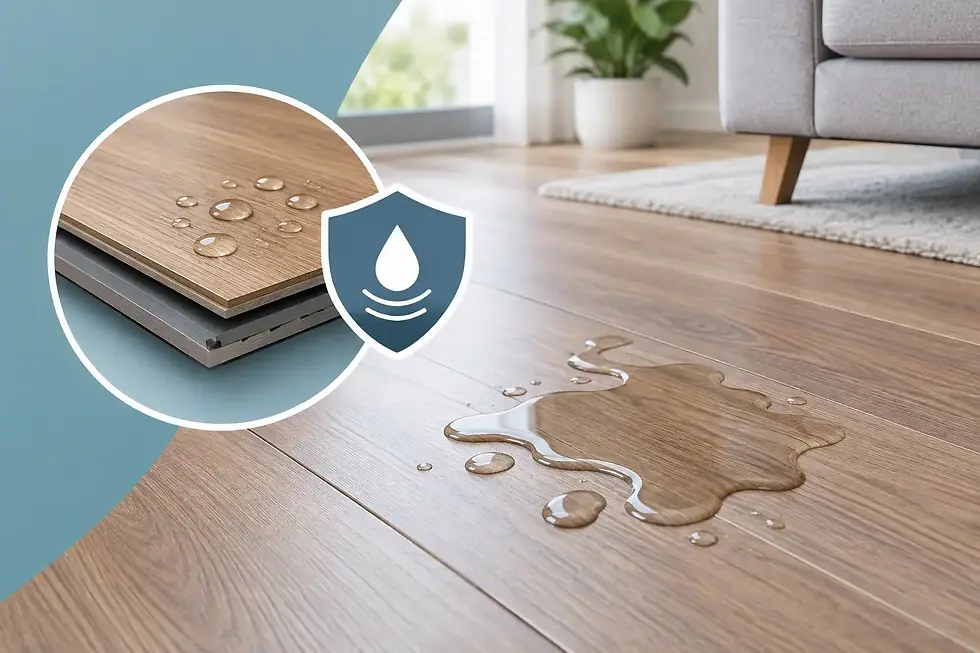
No wood floor finish is fully waterproof, even when it has a strong lacquered surface. In kitchens, engineered wood with a quality finish can be an excellent choice if spills are wiped promptly and the room is kept at a stable temperature and humidity. For bathrooms, utility rooms or areas exposed to frequent wet footwear, a wood-look LVT may provide the more practical long-term answer.
Entrance halls benefit from durable lacquered or brushed hardwax-oiled boards, along with good-quality entrance matting. Bedrooms offer more freedom, as they experience less foot traffic and allow the natural appeal of an oiled or lightly brushed finish to take centre stage. For commercial settings, the expected traffic, cleaning regime and likelihood of chair movement should all be considered before specifying real wood.
The width and grade of the plank matter too. Rustic-grade oak with knots, colour variation and a brushed oil finish can hide everyday life beautifully. Prime-grade oak with a smooth, pale lacquered finish creates a cleaner and more uniform look, but may make marks more noticeable.
Get the right finish before fitting begins
A wood floor is a significant investment, and a finish that looks right on a small swatch may not be right for your household. Consider how you use the room, whether you prefer a pristine or naturally evolving appearance, and how much maintenance feels realistic.
At Modeco Interiors, we recommend comparing full-size samples alongside your furniture, paint colours and lighting before making a final decision. The best finish is the one that still looks considered after muddy shoes, a busy weekend and years of everyday use.


Comments