
What Is Engineered Oak Wood Flooring?

If you have fallen for the look of real oak but want something better suited to modern homes, you have probably asked: what is engineered oak wood flooring? It is a real wood floor, but not a single solid piece of timber. Instead, it is made from a top layer of genuine oak bonded to a stable core of layered wood or plywood, giving you the character of oak with added strength and practicality.
That construction is the reason engineered oak has become such a popular choice in homes across Kent. It offers the warmth, grain and natural variation people want from wood flooring, while coping better than solid wood with changing temperatures, underfloor heating and everyday family life.
What is engineered oak wood flooring made of?
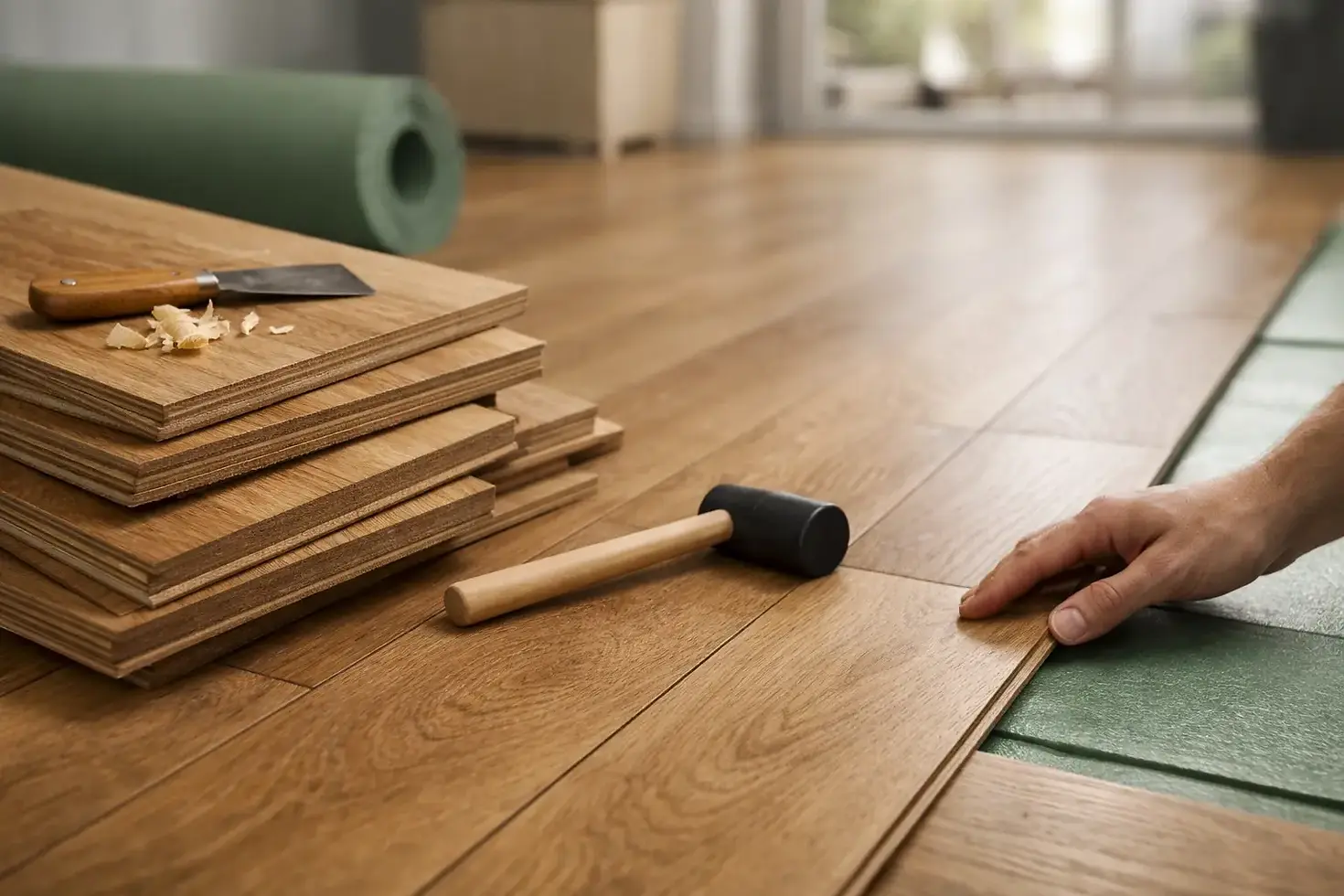
At first glance, engineered oak flooring looks very similar to solid oak. The visible surface is real oak, often called the wear layer or top layer. This is the part you see and walk on, and it carries all the natural knots, grain patterns and colour variation that make oak so appealing.
Beneath that top layer sits a multi-layered core, usually made from plywood, hardwood or high-density fibreboard. These layers are bonded together in opposing directions, which helps reduce movement caused by changes in moisture and temperature. A backing layer is then added underneath to balance the board.
In simple terms, engineered oak is designed to look like solid wood on top but behave more predictably underneath. That matters in homes where heating, seasonal humidity and room-to-room conditions can affect natural materials.
Why people choose engineered oak instead of solid wood
For many homeowners, the biggest attraction is balance. Engineered oak gives you the appearance of a traditional timber floor, but with fewer limitations than solid wood.
Solid oak boards can expand and contract more noticeably as the environment changes. That does not make them poor quality, but it does mean they need the right setting and careful installation. Engineered oak is generally more stable, so it is often better suited to kitchens, open-plan spaces and properties with underfloor heating.
It is also available in a wide range of board widths, finishes and grades. If you want a clean, contemporary look, you can choose long, wide planks with a brushed matte finish. If you prefer something more characterful, there are rustic grades with visible knots and natural tonal shifts. The result feels premium, but it also gives you flexibility.
How engineered oak flooring differs from laminate and LVT
This is where buyers can get understandably confused. Engineered oak, laminate and luxury vinyl tile can all replicate a wood-floor look, but they are very different products.
Engineered oak has a real oak surface. That means the texture, grain and visual depth are genuine, not printed. Laminate uses a photographic image of wood beneath a clear wear layer, while LVT is a synthetic flooring product designed to imitate timber or stone.
There is no single winner across every project. If your priority is authentic natural wood, engineered oak is in a different category. If you need something highly water-resistant and low-maintenance for a busy family kitchen or commercial setting, LVT may be a better fit. The right choice depends on the room, your budget and how you use the space.
Is engineered oak flooring real wood?
Yes - and that is one of the main reasons people choose it. Because the top layer is real oak, each board has natural variation in tone and grain. It does not have the repeated pattern you often see in printed alternatives.
That said, not all engineered oak floors are equal. The thickness of the oak wear layer can vary, and this affects both the feel of the product and its lifespan. A thicker top layer can allow for sanding and refinishing in future, depending on the product and condition. A thinner wear layer may be more budget-friendly, but it offers less scope for renovation later on.
This is one of those details that can make a big difference over time. A floor may look similar in a sample, but the specification underneath is what tells you how it is likely to perform.
Where engineered oak works best in the home
Engineered oak is a strong choice for living rooms, hallways, dining rooms and bedrooms. It also works well in many kitchens, particularly when the room is well managed and spillages are dealt with promptly.
Its stability makes it especially appealing in larger spaces and in homes with underfloor heating, where solid wood might be less practical. If you are renovating an open-plan kitchen-diner or updating the flooring throughout the ground floor, engineered boards can help create a cohesive, high-end finish.
Bathrooms and very wet utility areas are more of a grey area. Some homeowners are drawn to the look of wood everywhere, but real wood products and standing water do not make the easiest partnership. In those spaces, it is worth discussing whether a wood-look alternative would offer a better long-term result.
What to expect from the finish and style
One of the reasons engineered oak remains so popular is the variety available. You are not limited to a single shade of brown or a standard plank format.
You can choose from pale, modern oaks, rich smoked tones and everything in between. Finishes might be oiled, lacquered or brushed, each changing the appearance and maintenance needs slightly. Board size also affects the overall look. Wider planks can make a room feel more spacious and contemporary, while narrower boards often suit period properties or more traditional interiors.
Then there is grade. Prime grade tends to be cleaner and more uniform. Rustic grade embraces knots, splits and more noticeable variation. Neither is better - it simply depends on whether you want a refined look or something with more natural character.
What is engineered oak wood flooring like to live with?
In day-to-day use, engineered oak feels warm, solid and timeless. It brings texture to a room in a way that many synthetic floors cannot quite match. For homeowners who want a natural material underfoot, that matters.
Maintenance is fairly straightforward, but it does need sensible care. Regular sweeping or vacuuming helps remove grit that could mark the surface. Spills should be cleaned up promptly, and you will usually want felt pads under furniture. Depending on the finish, the floor may also benefit from manufacturer-recommended cleaning products rather than generic supermarket solutions.
Like any wood floor, it will pick up signs of life over time. For some people, that is part of the appeal. A timber floor develops character. For others, especially in homes with pets, children or heavy traffic, it is worth thinking carefully about finish, hardness and expected wear before making a final decision.
Installation matters just as much as the product
A quality engineered oak floor can still disappoint if it is not installed properly. Subfloor condition, moisture levels, room preparation and the fitting method all play a part in the final result.
Some boards are floated, some are glued, and some can be secret-nailed depending on the product and subfloor. The right approach depends on the specification and the room itself. This is why expert guidance is so valuable - not simply choosing a floor that looks good in a showroom, but choosing one that is suitable for the property and installed correctly from the start.
Professional preparation also helps avoid common issues such as movement, gaps, unevenness or premature wear. In practice, the best engineered oak floors are not just well made. They are well specified and well fitted.
Is engineered oak flooring worth it?
If you want the look and feel of real oak with better stability than solid wood, it often is. It suits homeowners who are investing in a long-term finish and want something that feels more premium than a printed wood effect.
The trade-off is cost. Engineered oak is usually more expensive than laminate and can be more of an investment than some LVT ranges. It is also not the best answer for every room. But where natural timber is the goal, it offers an attractive middle ground between beauty and practicality.
For many households, that is exactly the appeal. You are not compromising on appearance, but you are making a more considered choice for the way modern homes are heated and used.
At Modeco Interiors, we often find that the right floor becomes obvious once you see the boards in person, compare finishes properly and talk through how the space will be used. Engineered oak is a strong option, but the best results come from matching the product to the room, the household and the level of wear you expect. If you are choosing for the next ten years rather than the next ten minutes, that is usually where confidence starts.


Comments